Trauma
They come saying they can't stop drinking. That they've tried therapy and it didn't work. That they don't know why they keep making the same choices. That they feel numb, or rageful, or like they're living two lives: one on the surface and one underneath that nobody sees.
Trauma is often the missing piece.
It doesn't require a single dramatic event. Childhood neglect. An abusive relationship. Years of feeling unsafe or unworthy. Loss. Betrayal. Accidents. Combat. Any of these — and more — can leave imprints that shape everything that follows.
Our trauma treatment program in Kansas is designed to address those imprints directly, not talk around them. Because when trauma gets treated, everything else becomes more possible.
WHAT IS TRAUMA?
Trauma is the lasting emotional and physiological response to experiences that overwhelmed the nervous system's ability to cope. It is not about what happened to you; it is about what happened inside you as a result.
Trauma can look like:
The connection to addiction is direct. Research consistently shows that people with unresolved trauma are significantly more likely to develop substance use disorders. In many cases, substances became a way to manage what trauma left behind — hypervigilance, emotional flooding, numbness, shame, or an inability to feel safe.
Treating addiction without treating trauma leaves the engine running.
HOW WE TREAT TRAUMA
Trauma treatment requires more than good intentions. It requires specific clinical training, a safe therapeutic environment, and a pace calibrated to the individual.
At Holland Pathways, our trauma-informed approach is woven through every level of care — and for clients with significant trauma histories, it becomes the organizing framework of their entire treatment plan.
Our Trauma-Focused Therapies:
01
EMDR (Eye Movement Desensitization and Reprocessing)
EMDR is one of the most extensively researched and effective treatments for trauma and PTSD available today.
By engaging bilateral stimulation while a client focuses on traumatic memories, EMDR helps the brain reprocess those memories so they no longer carry the same emotional charge. Our trained EMDR clinicians guide this process carefully and at a pace the client can tolerate.
02
Dialectical Behavioral Therapy (DBT)
DBT's skill set — mindfulness, distress tolerance, emotion regulation, interpersonal effectiveness — is particularly valuable for trauma survivors who have developed dysregulated or self-destructive coping patterns.
03
Family Systems Therapy
Trauma rarely exists in one person alone. It moves through families. Our family therapy approach helps loved ones understand trauma's impact and build relational patterns that support — rather than inadvertently trigger — the person in recovery.
04
Expressive & Experiential Therapies
Art therapy, music therapy, and outdoor experiential activities give the nervous system pathways to process trauma that don't rely solely on verbal recollection — critical for trauma that formed before language or that the body holds more than the mind.
05
Somatic Awareness & Mindfulness
Trauma lives in the body. Yoga, breathwork, and mindfulness practices help clients reconnect with physical sensations safely — rebuilding a relationship with a body that trauma often taught them to distrust.
PTSD TREATMENT
Post-traumatic stress disorder is one of the most common — and most undertreated — conditions in the United States. At Holland Pathways, PTSD is not a footnote in a broader treatment plan. It is a primary diagnosis that receives primary attention.
We treat PTSD presenting alongside:
Whether your PTSD stems from combat, assault, childhood experiences, or cumulative life stress, our trauma treatment program in Kansas is equipped to meet you there.
LEVELS OF CARE
Residential Treatment
The most intensive setting for trauma work. Daily individual therapy, structured trauma-focused groups, experiential programming, and 24/7 clinical support — in an environment designed to feel safe enough to begin going inward.
Partial Hospitalization Program (PHP)
Continuing trauma-focused care as you begin stepping back toward daily life, with the clinical intensity to keep momentum going.
Intensive Outpatient Program (IOP)
Structured, flexible programming with continued trauma-focused therapy and skills building — for clients ready to integrate recovery into their lives.
Aftercare Planning
Trauma work doesn't end at discharge. Your continuing care plan will include referrals, resources, and a connection to alumni support so the work you've done here has a foundation to build on.
WHY HOLLAND PATHWAYS
EMDR certification. Trauma-specific clinical training. Therapists who have spent careers learning how to hold space for the hardest stories. This is not generalist care — it's specialized.

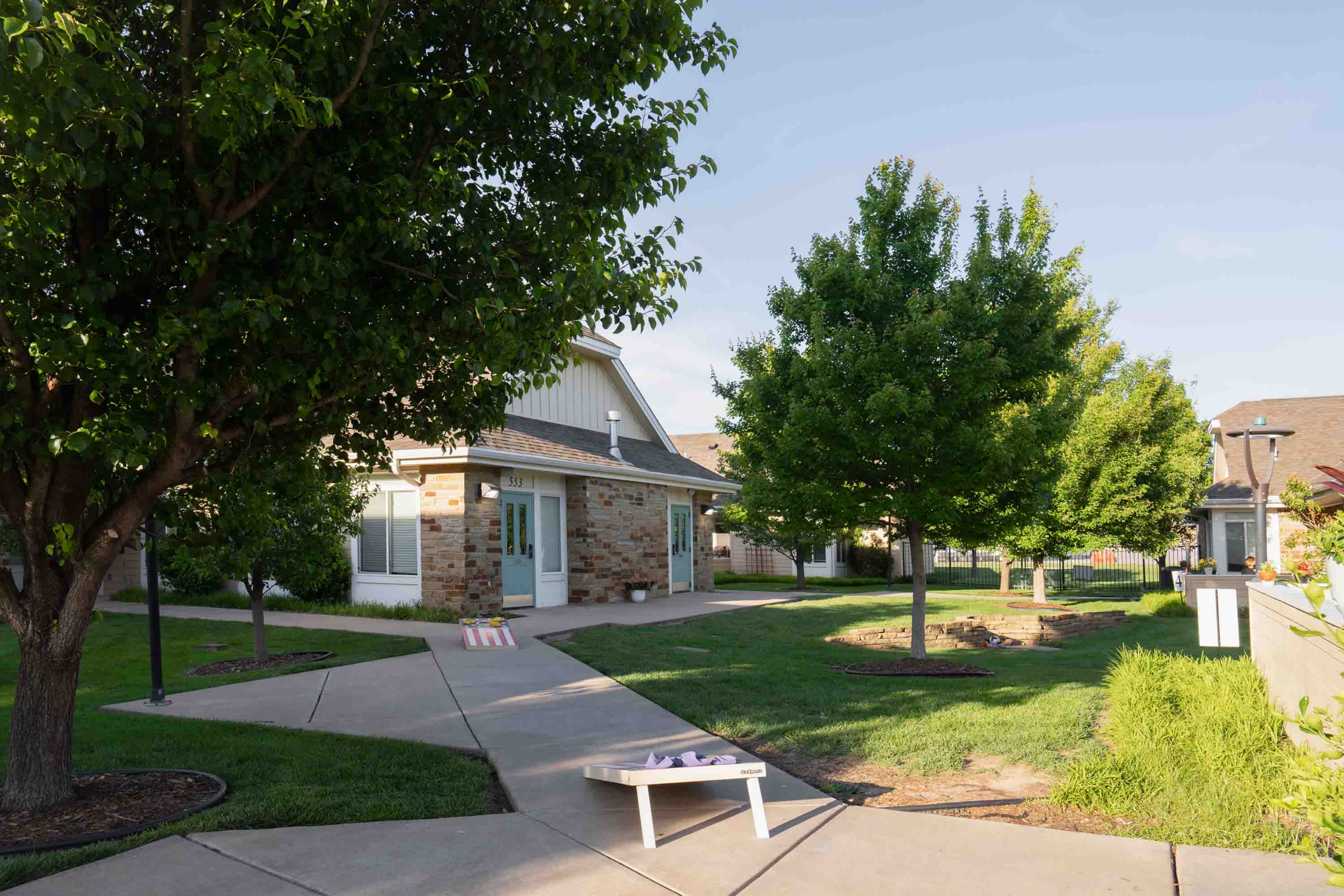
Trauma treatment only works in conditions of safety. Our facility was designed to feel warm, calm, and home-like — because we know that how a place feels is part of the clinical intervention.
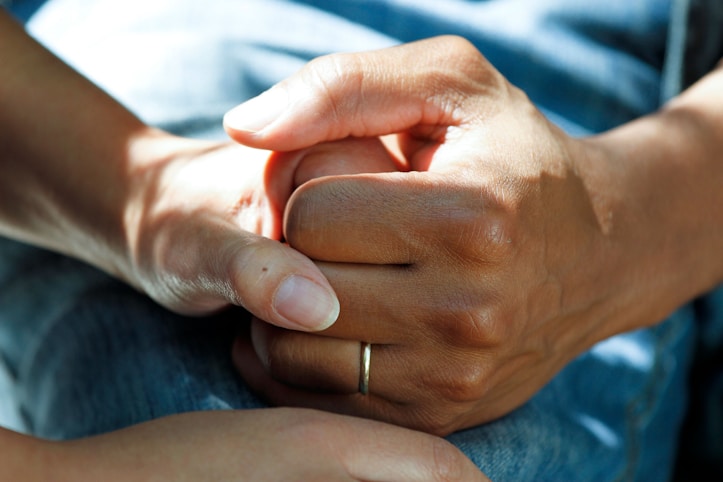
Many of our team members carry their own histories. That doesn't replace clinical training; it deepens the quality of the therapeutic relationship in ways that trauma survivors often recognize immediately.

If substance use has been part of how you've managed trauma, we treat both — together, simultaneously, with one coordinated team. No handoffs. No gaps. No choosing which problem to address first.
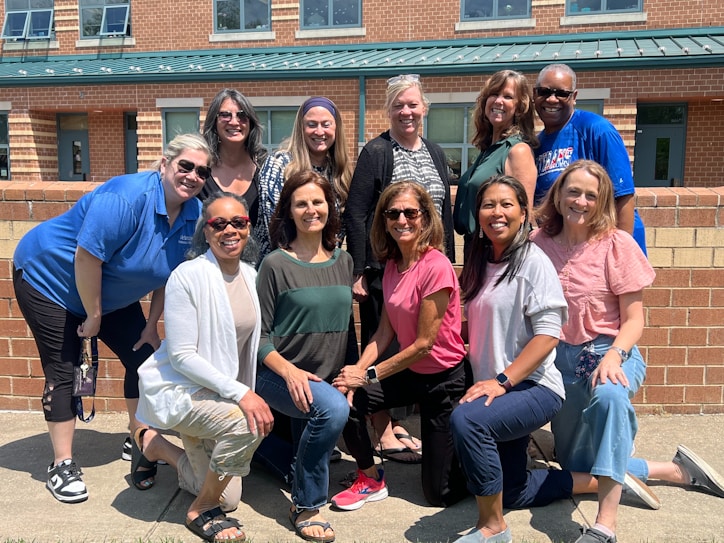
Trauma affects the people who love you too. We involve families thoughtfully — because healing in relationships is often where the deepest change happens.
INSURANCE VERIFICATION
Most commercial insurance plans cover trauma-focused and PTSD treatment. Our admissions team will check your benefits confidentially and at no cost, so insurance questions don't stand between you and getting help.
TESTIMONIALS
FAQS
Care Evaluation
Whatever happened — and however long ago — healing is possible. Our trauma treatment program in Kansas is built by people who believe that, and who have seen it happen. When you're ready, we're here.
Confidential. Compassionate. Available now.